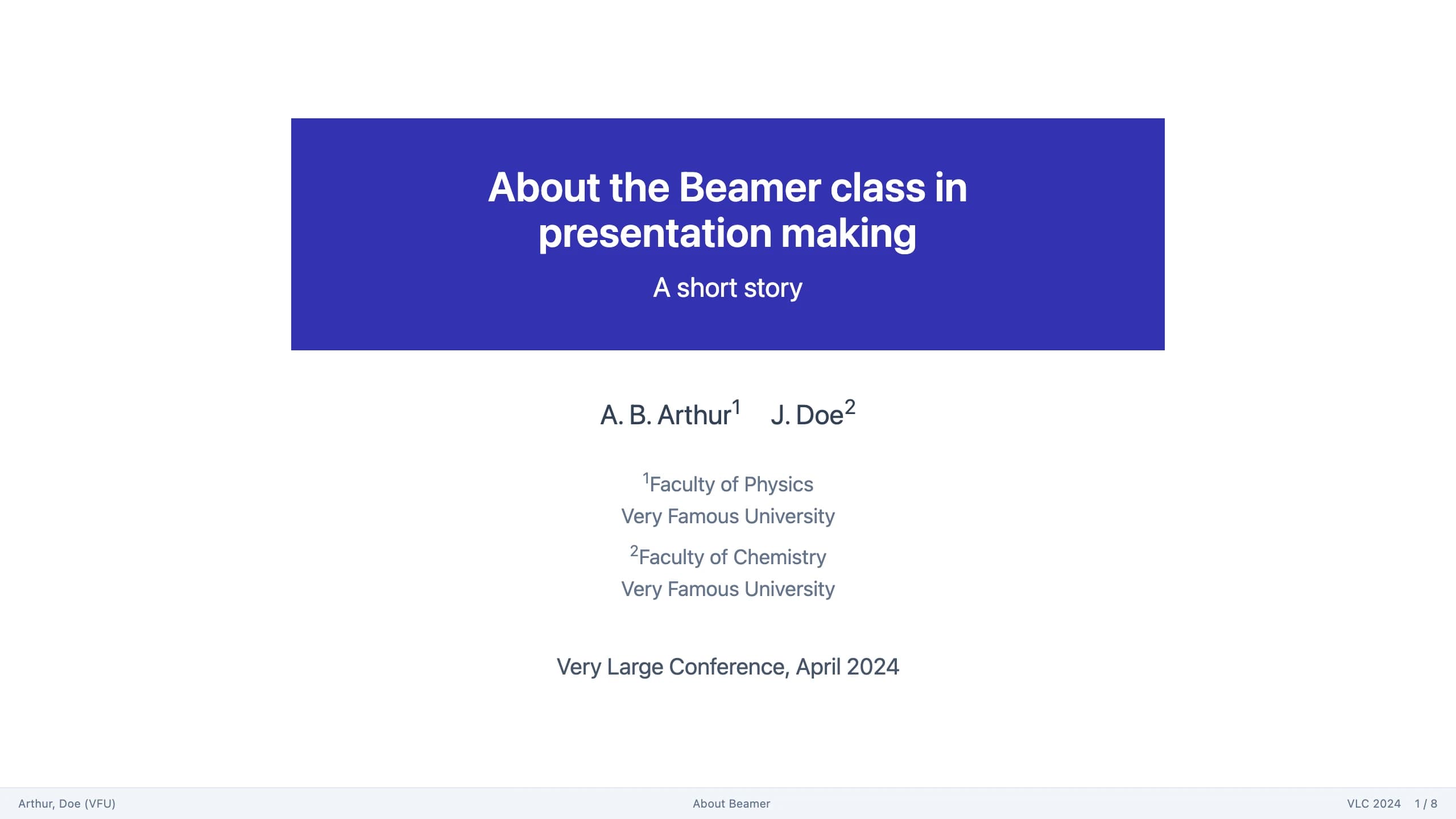
01
Doctoral Thesis Defense
Use the structured conclusion slides and citation-heavy layouts to present complex genetic or historical data to a faculty committee, ensuring your core findings stand out against the blue highlight zones.

A scholarly framework defined by classical serif typography and a heritage-inspired blue palette.
Cambridge Blue is a 12-slide presentation deck designed for high-stakes academic discourse.
The visual identity centers on EB Garamond, a classic serif that provides the weight and legibility required for dense scholarly text.
The color system uses a tiered blue hierarchy: a deep royal blue (#00629B) for primary headings and saturated callouts, supported by a pale mist background (#EBF3FD) that reduces eye strain during long sessions.
The cover slide utilizes a clean, horizontal rule and a large circular watermark element to ground the title.
Interior slides move away from standard bullet points, favoring three-column card grids for process steps and dedicated highlight boxes for primary conclusions.
This layout logic helps researchers separate their core thesis from supporting evidence, making it ideal for thesis defenses, grant proposals, or departmental seminars where clarity of argument is paramount.
The template's DNA is rooted in traditional editorial design.
Typography is the lead actor, with EB Garamond used in multiple weights to create a clear information hierarchy.
The color palette is monochromatic but functional: the high-contrast blue text on the pale blue background ensures readability.
Key layout patterns include a 'Discussion' slide with a centered, quoted-text block and a 'Conclusion' slide that uses a 40/60 split-screen layout.
This split-screen approach pairs a bold, saturated summary box on the left with a lighter, detailed checklist on the right.
Subtle design touches, like the thin hairline dividers and the pill-shaped 'Step' tags, add a modern precision to the otherwise classical aesthetic.
Every theme has a stage it belongs on. These are the moments this one was built for.
Use the structured conclusion slides and citation-heavy layouts to present complex genetic or historical data to a faculty committee, ensuring your core findings stand out against the blue highlight zones.
The professional 'Future Directions' and 'Key Features' grids allow principal investigators to clearly articulate project milestones and expected outcomes to funding bodies.
The clean, serif-heavy editorial style provides a sophisticated backdrop for visiting professors to present their lifetime work to a new student audience without visual clutter.
01 / 12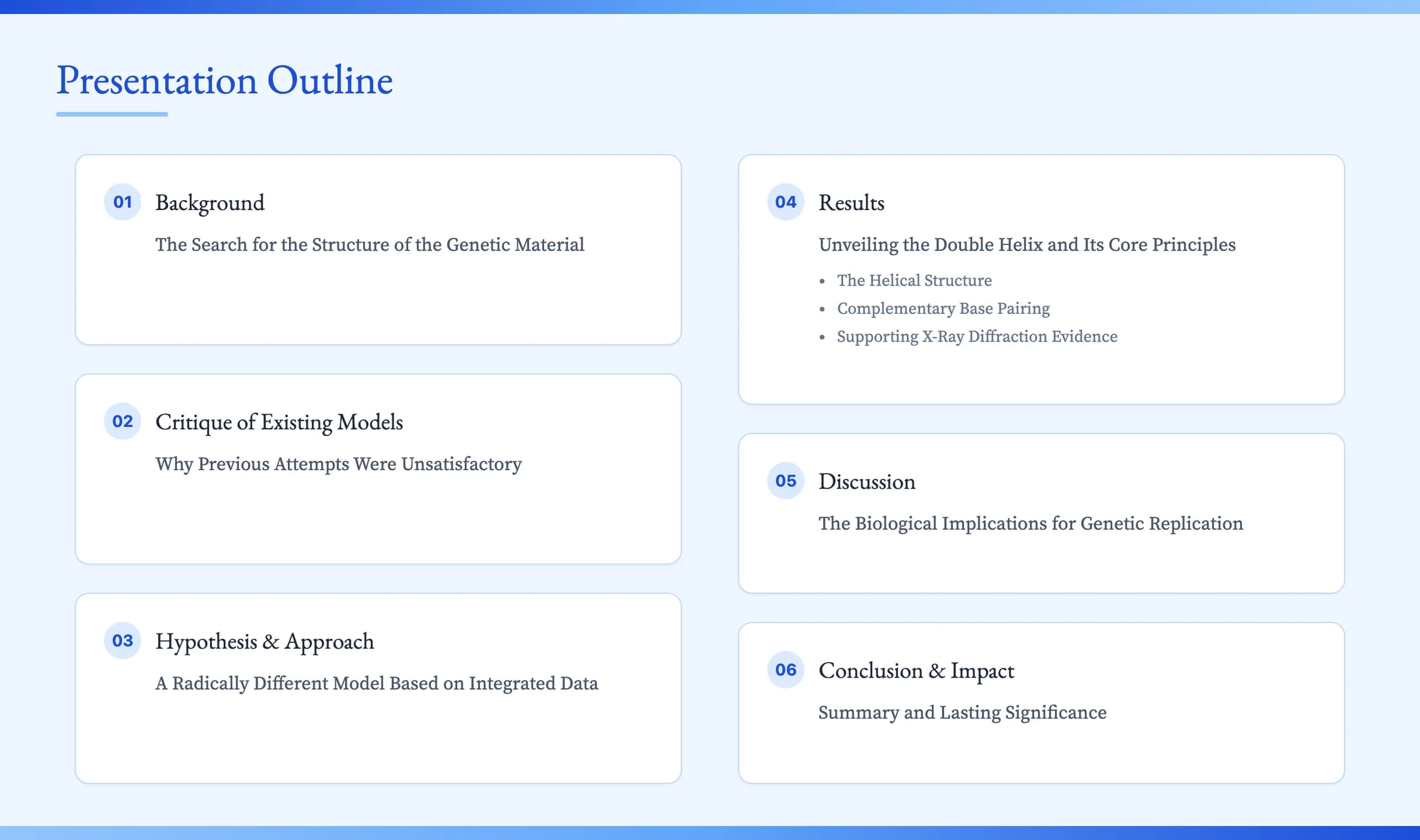 02 / 12
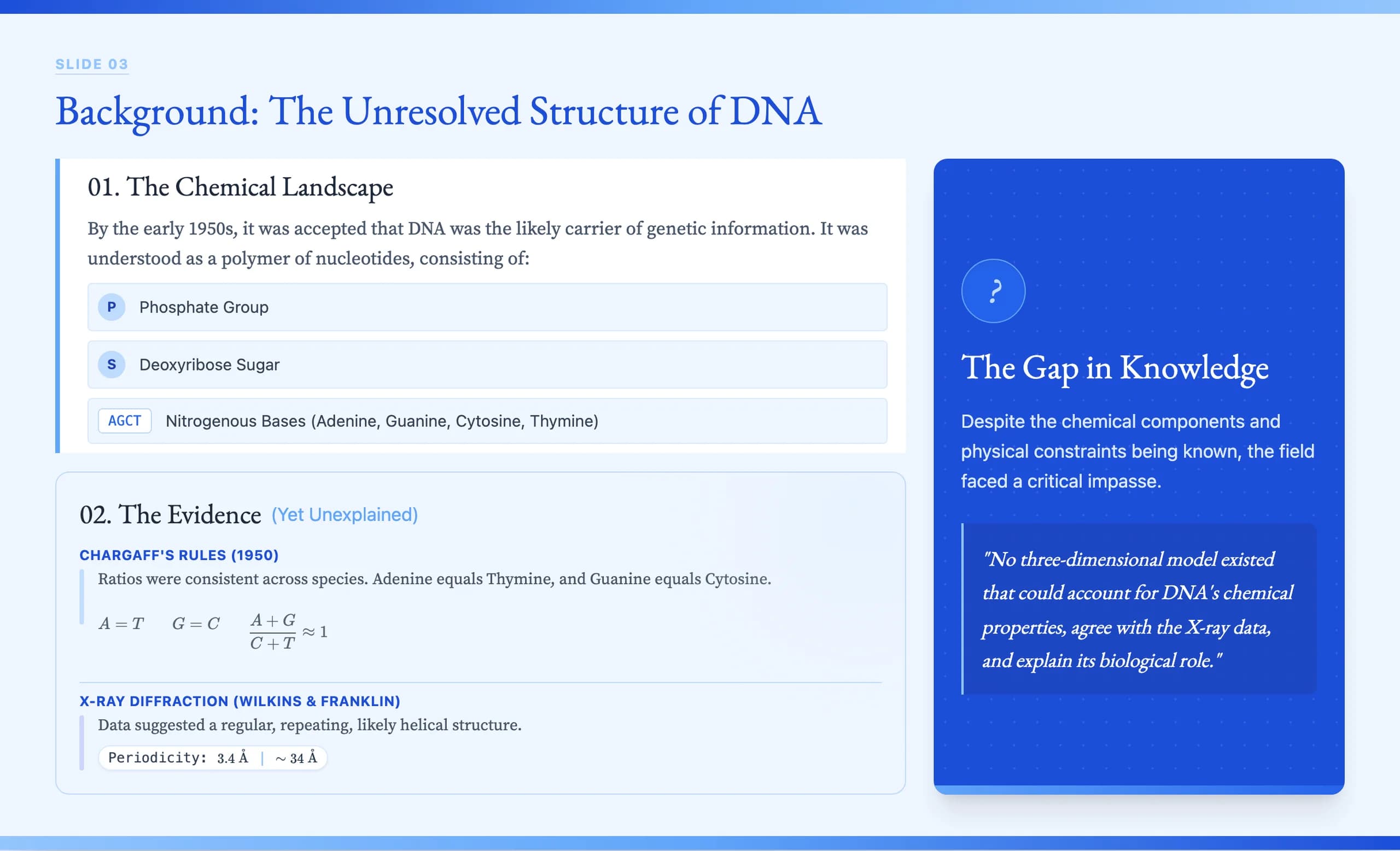 03 / 12
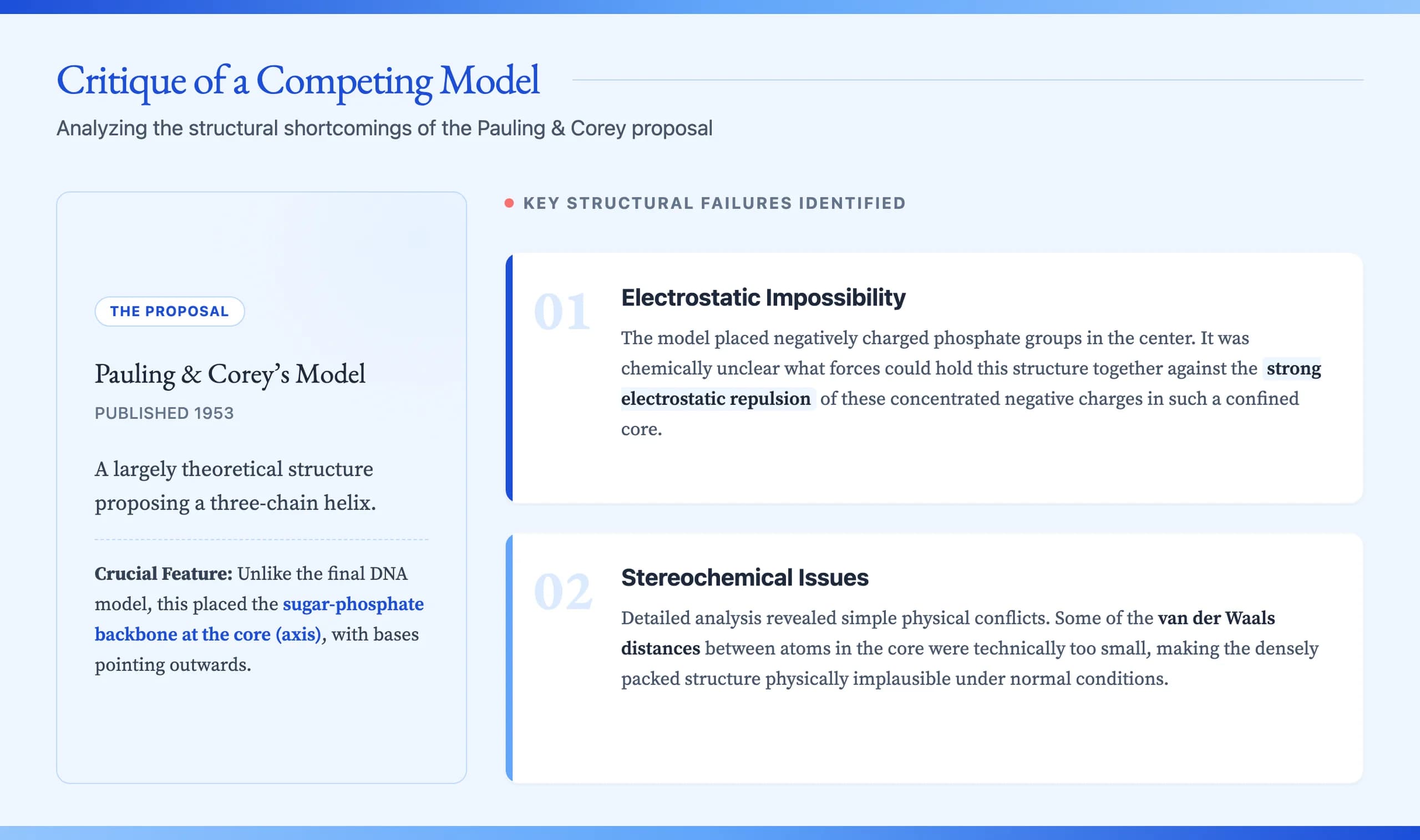 04 / 12
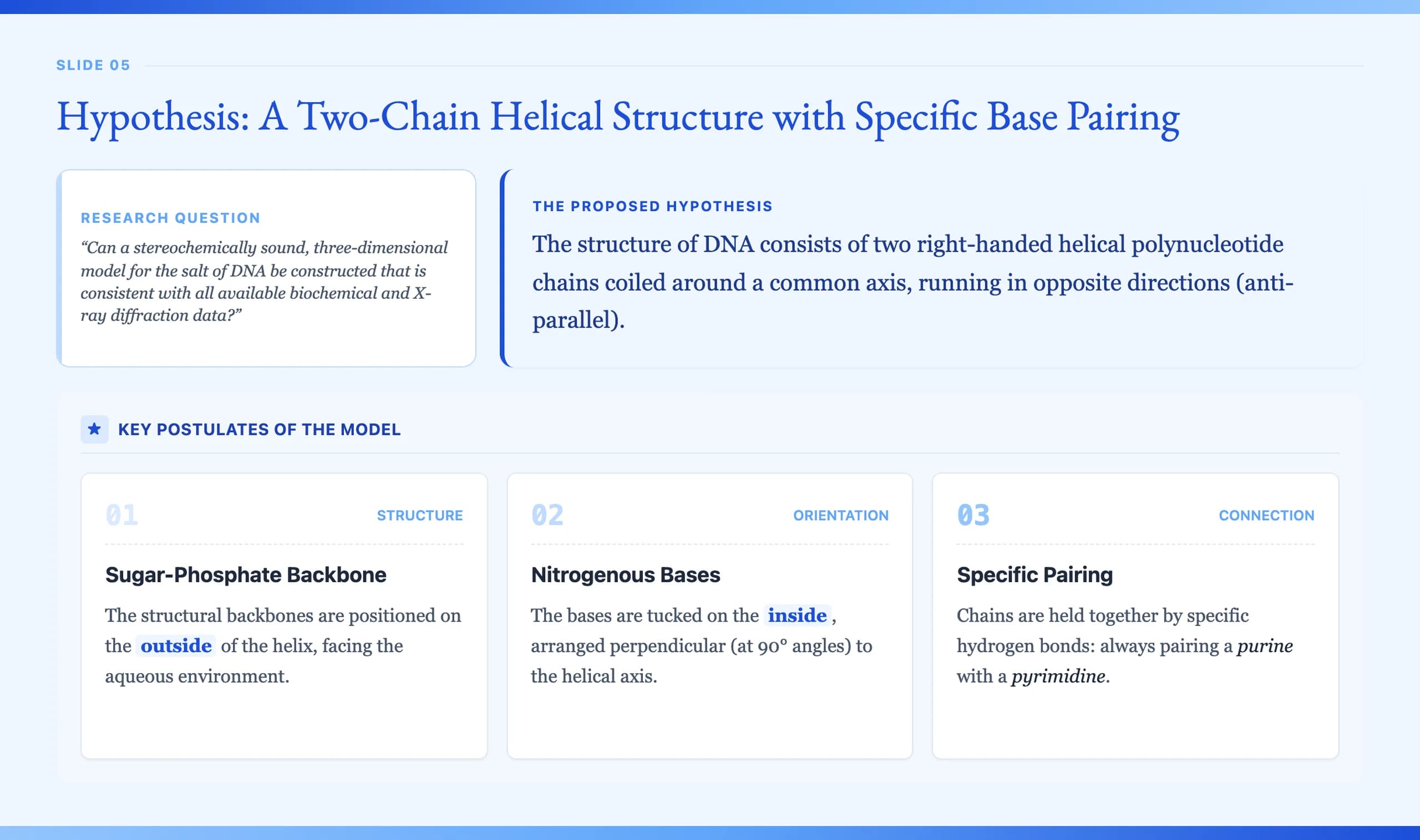 05 / 12
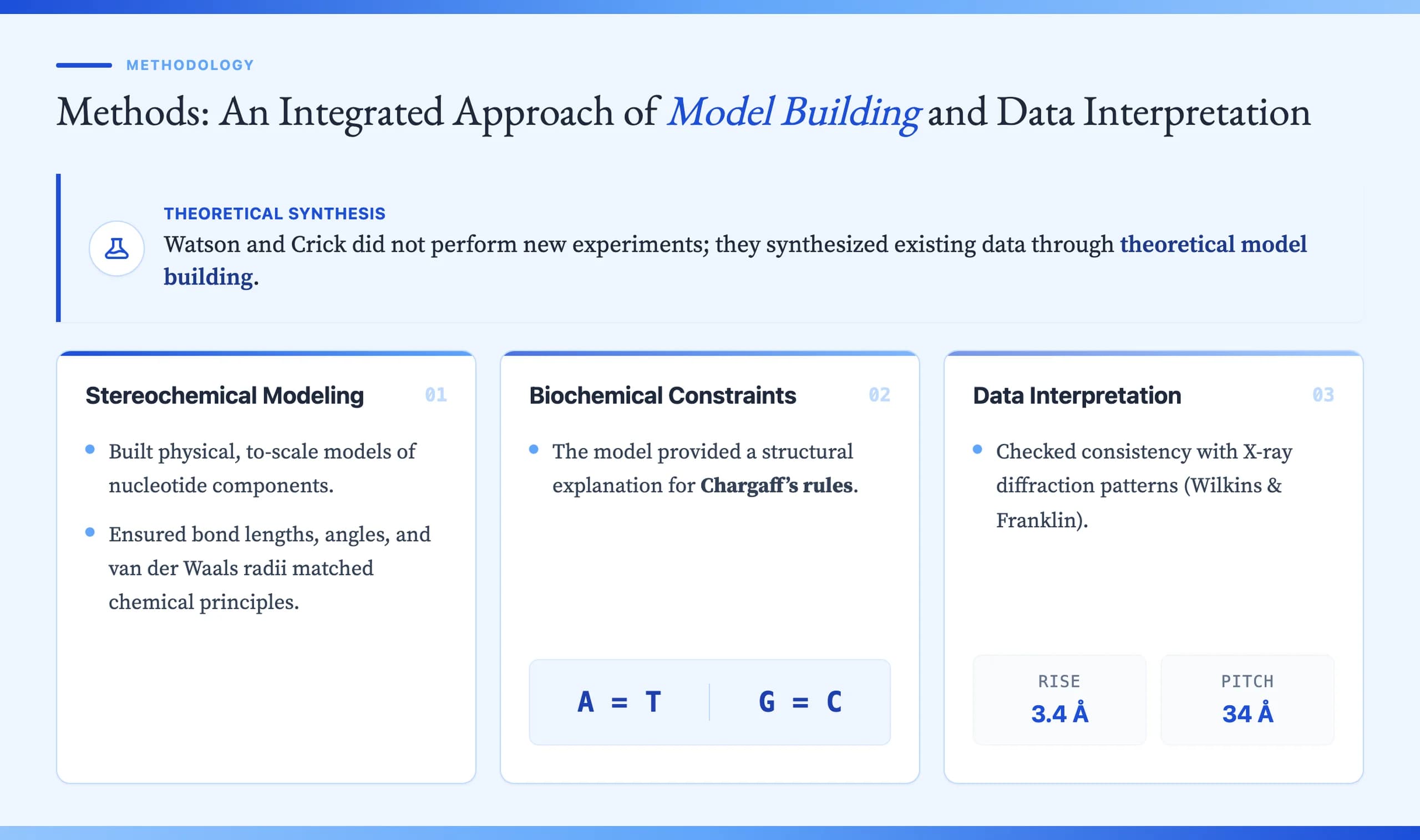 06 / 12
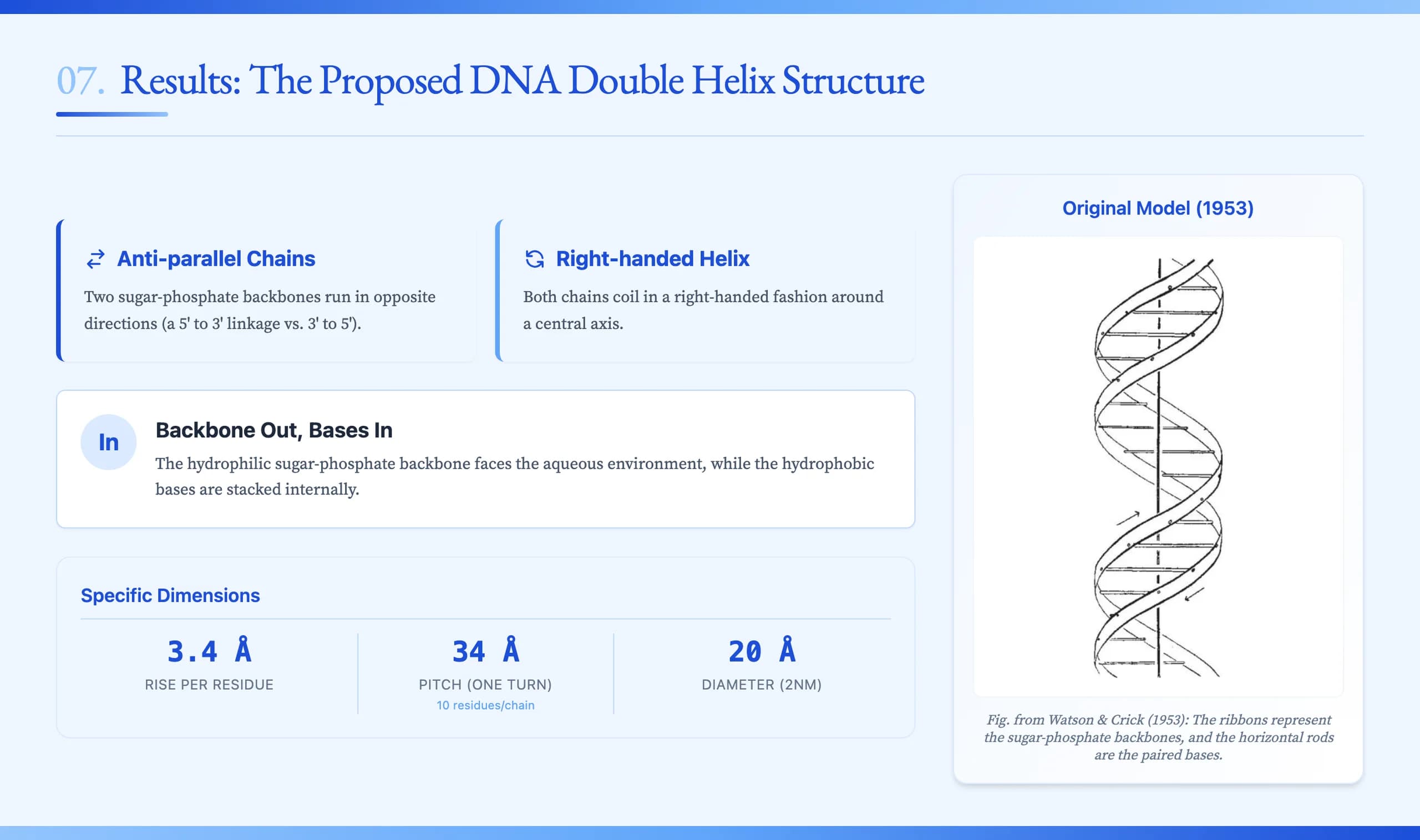 07 / 12
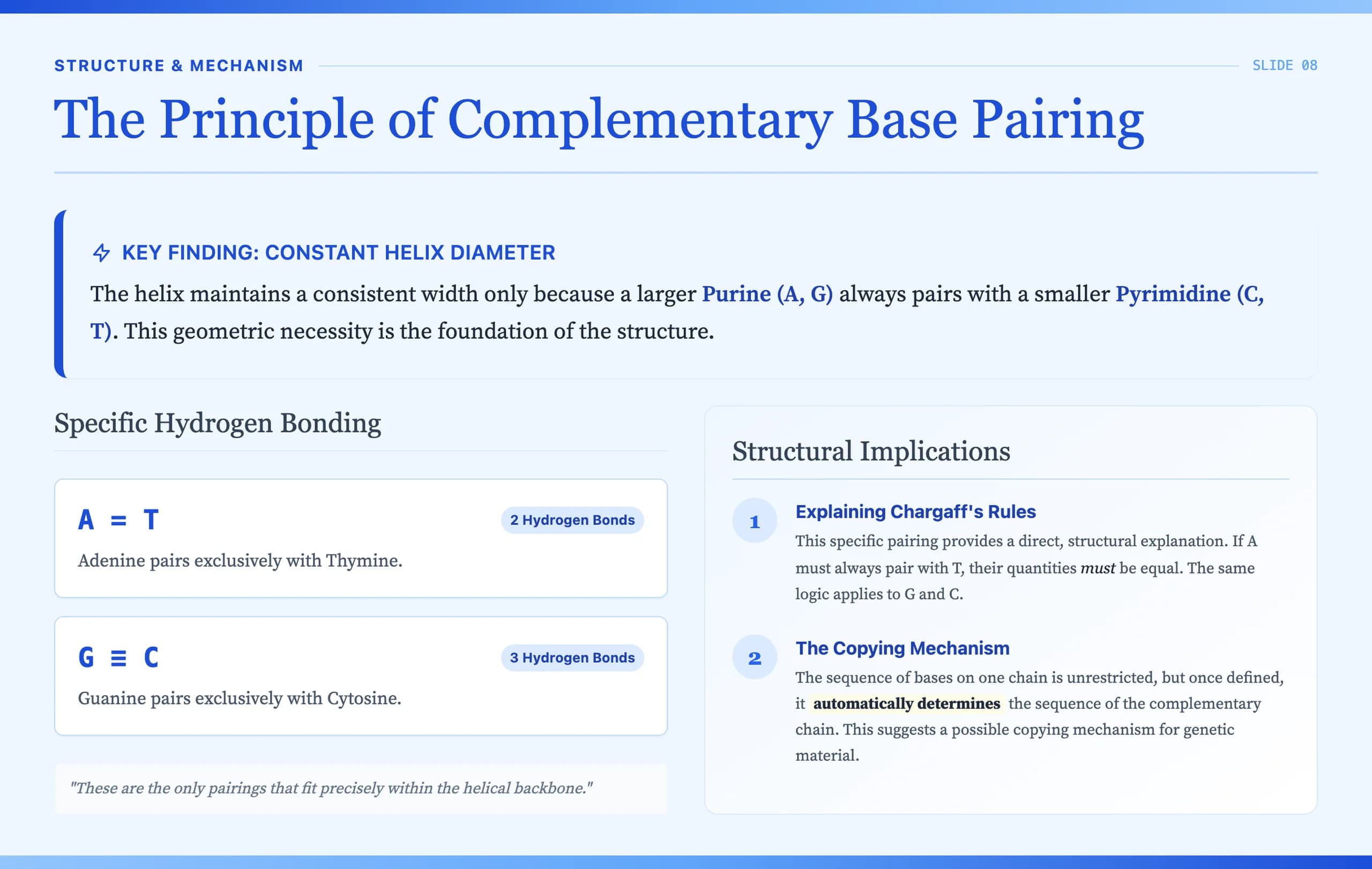 08 / 12
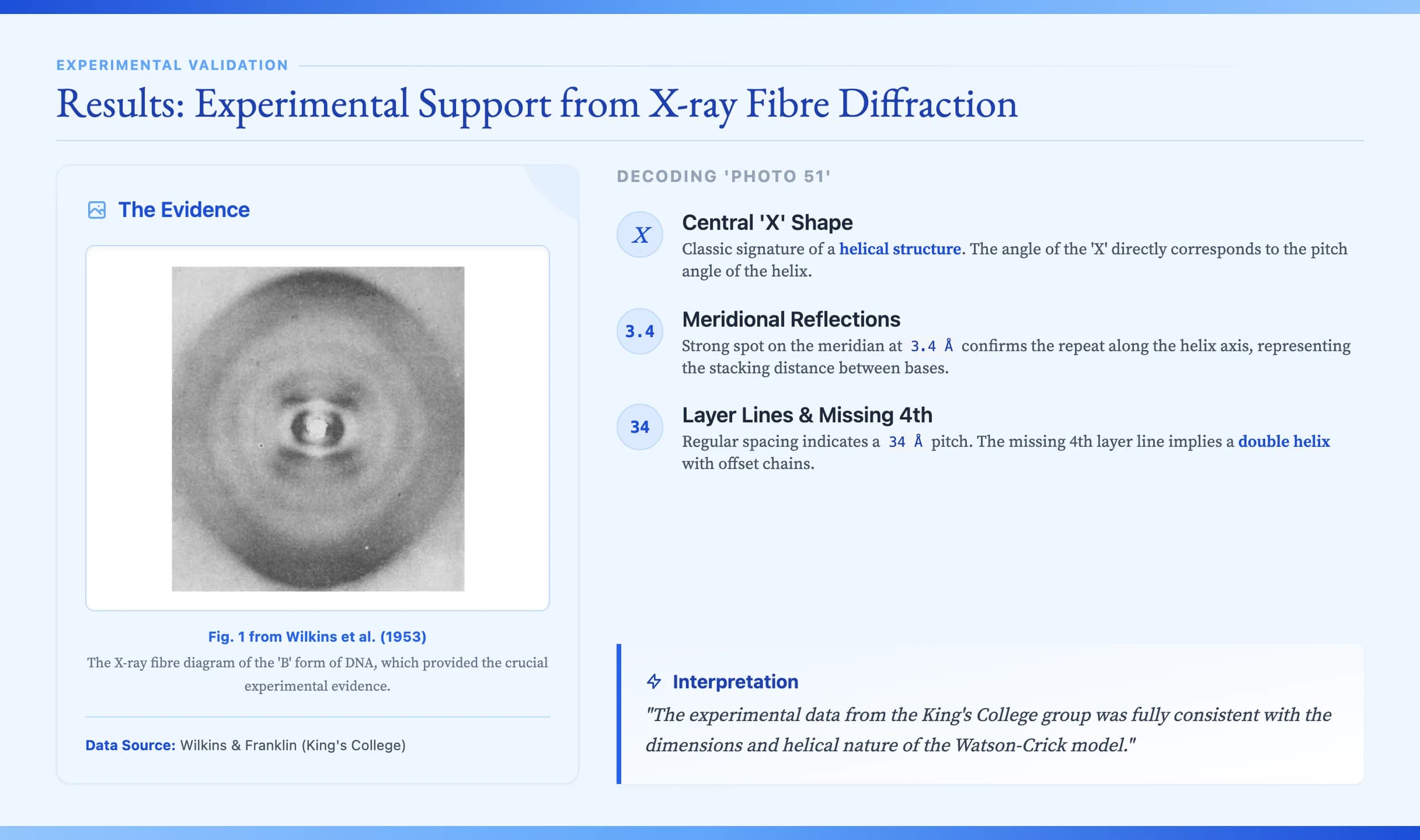 09 / 12
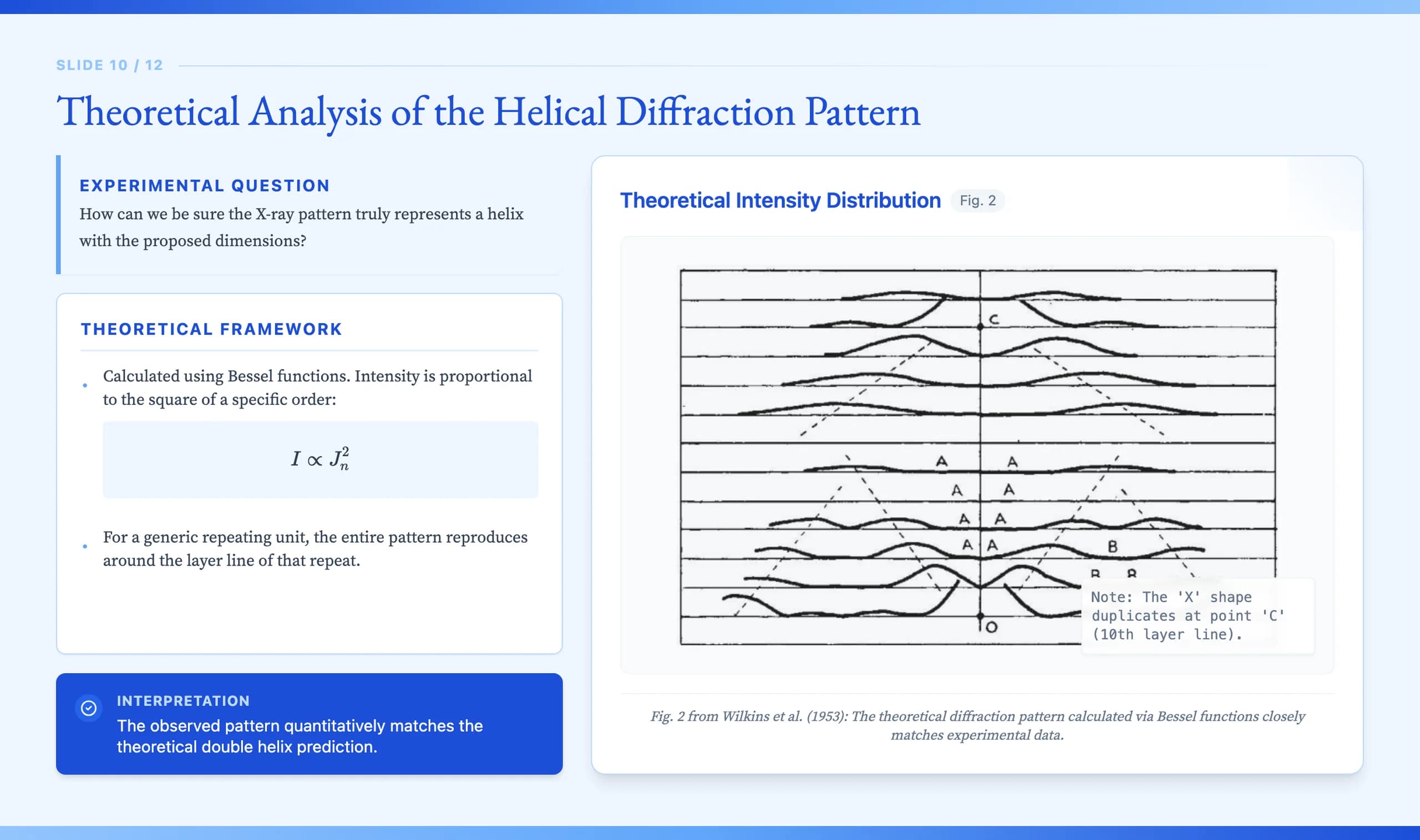 10 / 12
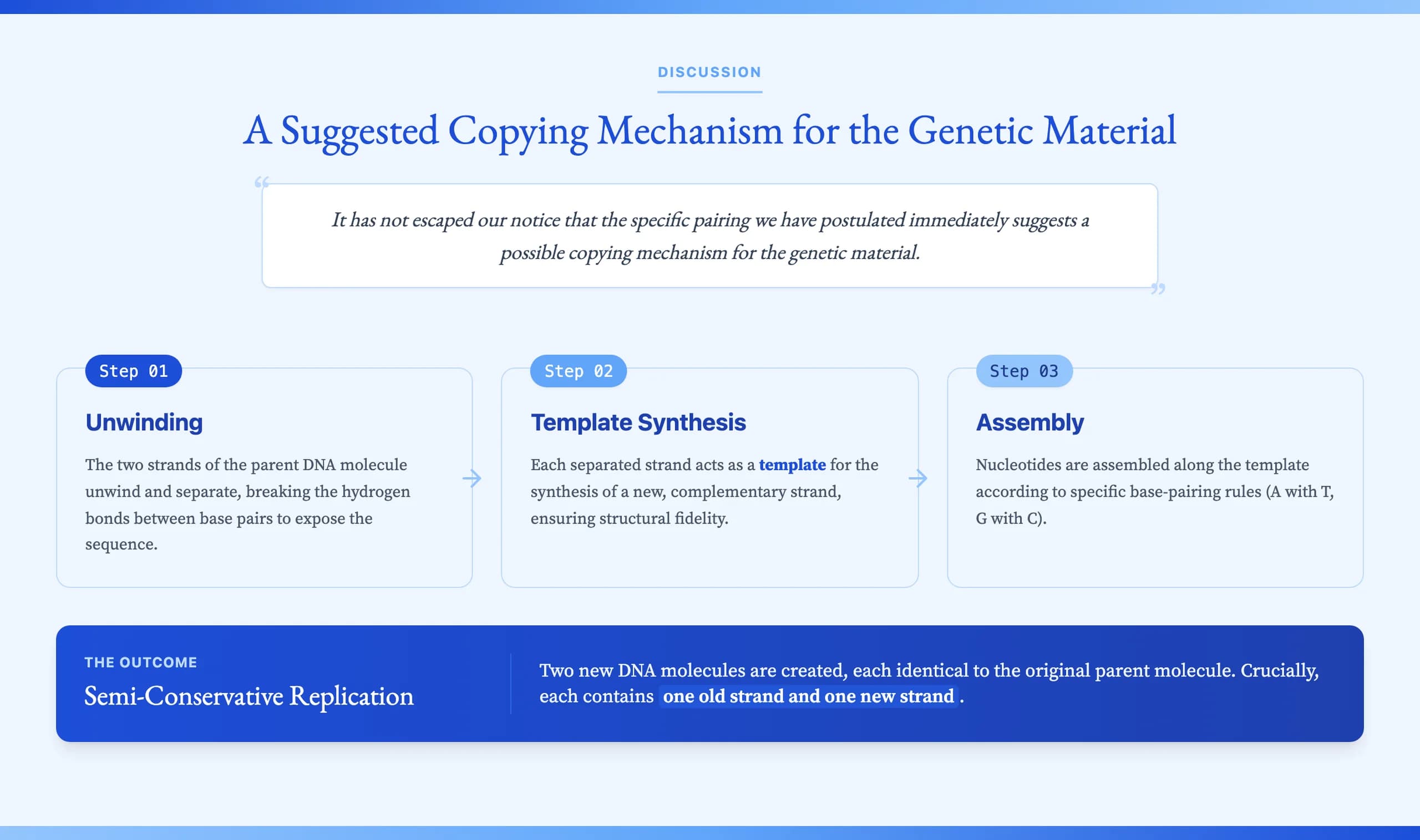 11 / 12
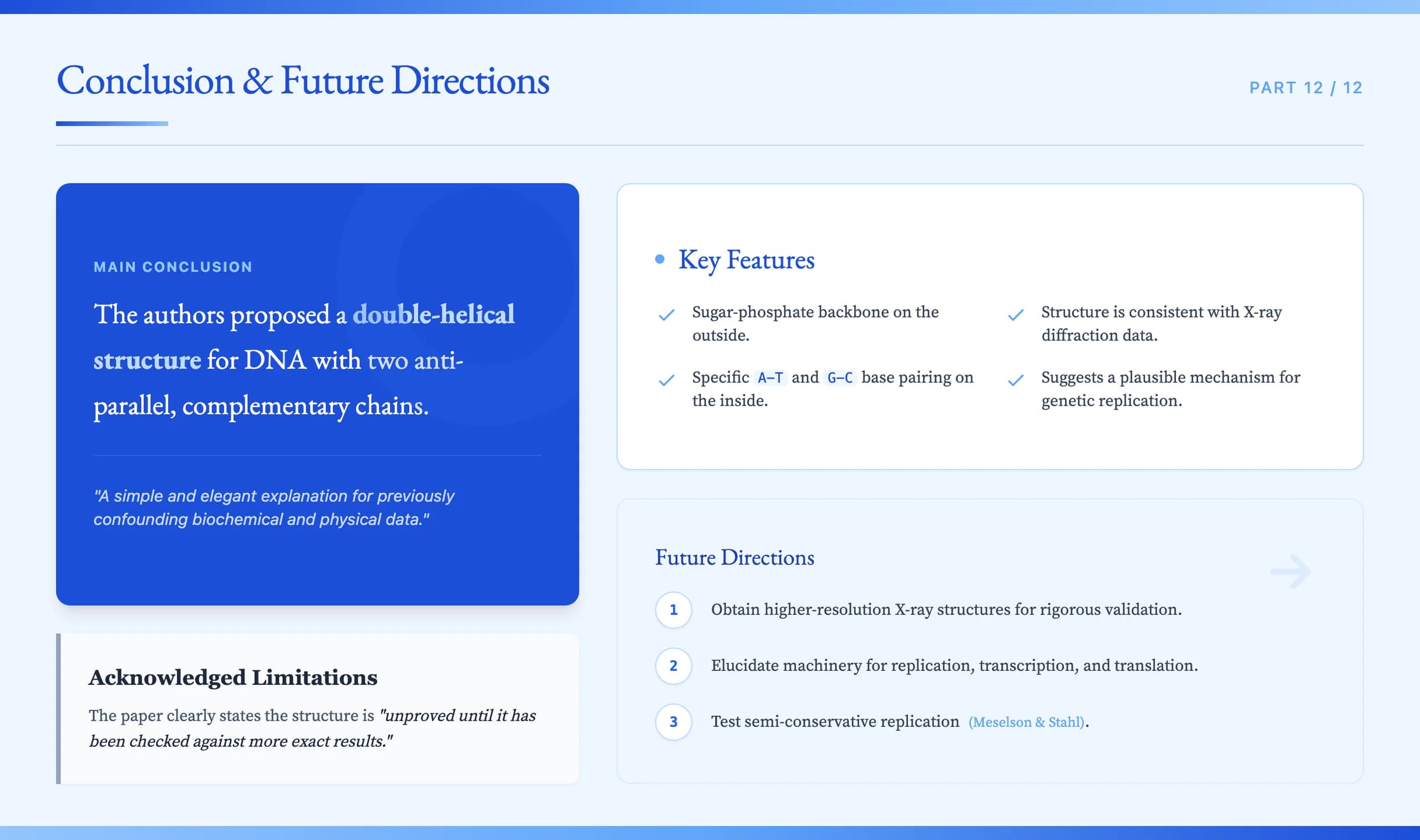 12 / 12
Pick this template, upload your content, and our AI will compose it into the 12-slide arc of Cambridge Blue Classical Academic Presentation Template — your job is just to polish the key data.