300+ Best Biology and Medical Topics for Students, Research, and Classroom Presentations
300+ best biology and medical topics for students, research papers, theses, and classroom presentations — organized by category from cell biology and genetics to biotech and neuroscience.
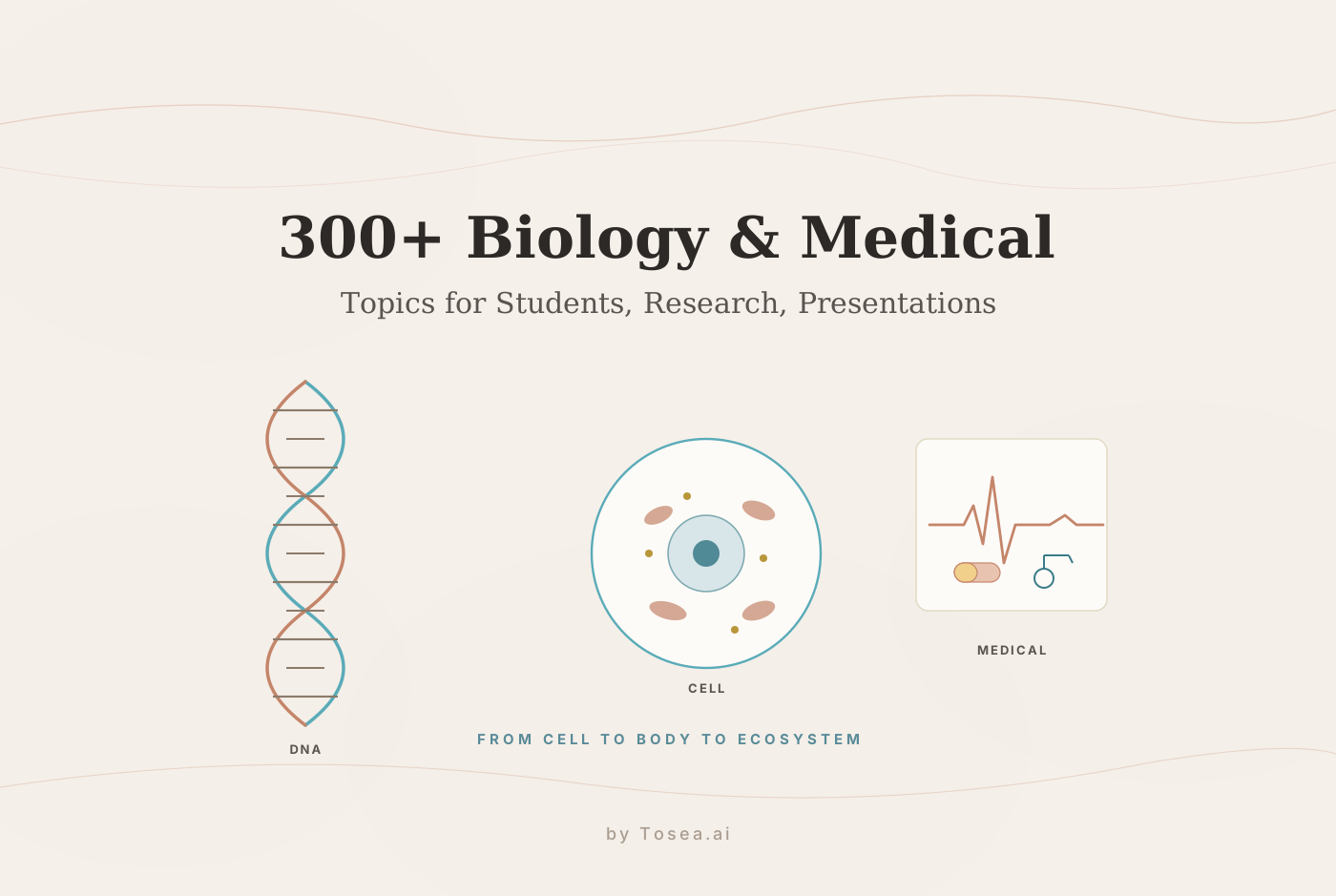
Biology and medical science are among the most rewarding subjects you can study because they explain how living things work — from the smallest cell to the entire human body to global ecosystems.
The range of topics is enormous. That makes these subjects exciting, but it also makes choosing the right topic feel overwhelming. Some biology topics are too broad to cover in a single presentation. Some medical topics require specialist knowledge that is hard to explain to a general audience. And some topics sound interesting but are difficult to support with clear examples.
This guide is built to solve that problem. Below you will find 300+ biology and medical topics for presentations, essays, research papers, projects, and class talks. The topics are organized by category so you can quickly find one that matches your level, your audience, and your purpose. For students preparing the next step after picking a topic, our research-paper-to-slides workflow and thesis defense presentation guide cover the presentation side.
What Is Biology and Medical Science?
Biology is the study of living things and the processes that keep them alive. Medical science applies that knowledge to human health, disease, treatment, and prevention.
Biology usually covers four main areas:
- Cell biology, which studies the basic unit of life and how cells function
- Genetics, which studies heredity, DNA, and how traits are passed from one generation to the next
- Ecology, which studies how organisms interact with each other and with their environment
- Evolution, which studies how species change over time
Medical science extends these foundations into clinical research, pharmacology, public health, surgery, disease diagnosis, and the development of new treatments.
What Makes a Good Biology or Medical Topic?
A good biology or medical topic should be:
- Specific enough to cover in the time you have
- Interesting to your audience, whether they are specialists or general students
- Supported by real examples, data, or current research
- Relevant to real life, health, or environmental issues
- Clear enough to explain without jargon that confuses non-specialists
For example, "cancer" is too broad. But "how CRISPR gene editing is being used to target cancer cells" is focused, current, and easy to explain with specific examples.
How to Choose the Best Biology or Medical Topic
Before choosing a topic, think about these four questions:
- Is the topic appropriate for your audience level?
- Can you find enough credible sources to support it?
- Does the topic connect to real events, health issues, or scientific breakthroughs?
- Is it narrow enough to cover well in a presentation or paper?
Biology and medical topics work best when they connect science to human experience — health decisions people face, diseases that affect communities, or environmental changes that influence ecosystems.
Best Biology Topics on Cell Biology and Genetics
Cell biology and genetics are the foundation of all biological science. These topics are suitable for introductory and advanced students alike.
- What cells are and why they matter
- The difference between prokaryotic and eukaryotic cells
- How cells divide through mitosis
- How cells divide through meiosis
- What DNA is and how it carries information
- The structure of a DNA molecule
- How genes are expressed
- The central dogma of molecular biology
- What mutations are and how they happen
- The difference between dominant and recessive traits
- How inheritance works in Mendelian genetics
- Non-Mendelian inheritance patterns
- What chromosomes are
- How sex is determined genetically
- Genetic disorders and their causes
- Down syndrome explained
- Cystic fibrosis and genetics
- Sickle cell anemia and inheritance
- Huntington's disease and dominant inheritance
- What epigenetics means
- How environment affects gene expression
- What CRISPR is and how it works
- Gene editing and medical applications
- Stem cells and their potential
- Embryonic stem cells vs adult stem cells
- Cloning and its scientific basis
- The Human Genome Project
- Genetic testing and its uses
- Personalized medicine and genetics
- The ethics of genetic engineering
Best Biology Topics on the Human Body and Physiology
These topics connect biology directly to personal health and are strong choices for classroom presentations.
- The organ systems of the human body
- How the heart works
- The circulatory system explained
- How blood pressure works
- The respiratory system and breathing
- How the lungs exchange oxygen and carbon dioxide
- The digestive system step by step
- How nutrients are absorbed
- The role of the liver in digestion
- The excretory system and waste removal
- How kidneys filter blood
- The skeletal system and bone structure
- How muscles contract
- The nervous system overview
- How neurons send signals
- The brain and its major regions
- The endocrine system and hormones
- How insulin regulates blood sugar
- The immune system and how it defends the body
- How vaccines work
- Antibodies and immune memory
- The reproductive system
- How human development begins
- Stages of fetal development
- How the skin protects the body
- The senses and how they work
- How the eye processes light
- How the ear processes sound
- Sleep and its role in health
- The effects of stress on the body
Best Biology Topics on Microbiology and Infectious Disease
Microbiology connects biology to public health and is one of the most relevant fields for understanding pandemics, antibiotic resistance, and global health.
- What bacteria are
- The difference between bacteria and viruses
- How viruses replicate
- What makes a pathogen dangerous
- How infectious diseases spread
- Airborne vs contact transmission
- The history of the flu pandemic
- How HIV affects the immune system
- What COVID-19 revealed about virology
- How antibiotics work
- The problem of antibiotic resistance
- Superbugs and why they matter
- Vaccines and herd immunity
- How the polio vaccine changed public health
- Tuberculosis and global health
- Malaria and parasite biology
- How parasites infect hosts
- What prions are
- Food safety and microbiology
- How hand washing reduces infection
- Hospital-acquired infections
- The role of the microbiome in health
- Gut bacteria and digestion
- How probiotics work
- The connection between microbiome and mental health
- Sexually transmitted infections and prevention
- Emerging infectious diseases
- Zoonotic diseases and animal-to-human transmission
- Bioterrorism and biological weapons
- Global health surveillance systems
Best Biology Topics on Ecology and Environmental Biology
These topics are especially valuable for connecting biology to environmental science and conservation.
- What ecology is
- Food chains and food webs
- The difference between producers and consumers
- What decomposers do in an ecosystem
- Biodiversity and why it matters
- Ecosystem services explained
- What a biome is
- Tropical rainforest ecology
- Desert ecosystem biology
- Arctic and tundra ecosystems
- Coral reef ecology
- Freshwater ecosystem health
- Wetland biology and function
- Invasive species and their impact
- Why endangered species matter
- Habitat destruction and wildlife
- Keystone species in ecosystems
- How predator-prey relationships work
- Population dynamics in ecology
- Carrying capacity and resource limits
- Nutrient cycles in ecosystems
- The nitrogen cycle explained
- The carbon cycle and climate
- Deforestation and biodiversity loss
- Ocean ecology and marine life
- Deep-sea ecology
- Pollution and ecosystem damage
- How microplastics affect ecosystems
- Conservation biology and protected areas
- Why rewilding is becoming a conservation strategy
Best Biology Topics on Evolution and Natural History
Evolution topics are some of the most intellectually rich in all of biology.
- What evolution is
- Charles Darwin and natural selection
- How natural selection works
- Adaptation and survival
- The evidence for evolution
- Fossil evidence for evolution
- Comparative anatomy and evolution
- Molecular evidence for common ancestry
- The tree of life
- What speciation is
- Geographic isolation and new species
- Coevolution between species
- Sexual selection explained
- The evolution of humans
- Neanderthals and early human relatives
- The role of migration in human evolution
- How language may have evolved
- The evolution of the eye
- Convergent evolution and its examples
- Vestigial structures in biology
- The evolution of drug resistance
- How antibiotic resistance is evolution in action
- Mass extinction events
- The Cambrian explosion
- How birds evolved from dinosaurs
- The evolution of whales
- Evolutionary medicine
- Why some diseases persist despite natural selection
- The evolution of cooperation
- How altruism evolved in biology
Best Medical Topics on Human Health and Disease
These medical topics are strong for research papers, presentations, and clinical discussions. For students whose work crosses into health policy, our economics topics guide covers the health economics side from a policy angle.
- What causes cancer
- Types of cancer and how they differ
- How cancer spreads
- Cancer treatment options
- Immunotherapy for cancer
- The genetics of breast cancer
- Cardiovascular disease and risk factors
- How heart attacks happen
- Stroke and brain damage
- Diabetes types and management
- How insulin resistance develops
- Obesity as a medical issue
- The biology of addiction
- How opioids affect the brain
- Mental illness and brain chemistry
- Depression and neurotransmitters
- Anxiety disorders explained
- Schizophrenia and its biology
- Alzheimer's disease and memory
- Dementia and aging
- Multiple sclerosis and the immune system
- Autoimmune diseases
- Asthma and respiratory conditions
- Allergies and immune overreaction
- Chronic kidney disease
- Liver disease and its causes
- The biology of aging
- Why cells age and die
- Longevity research and biology
- Rare diseases and orphan drug development
Best Topics on Neuroscience and Mental Health
Neuroscience connects biology to behavior, emotion, and mental health.
- How the brain develops during childhood
- Neuroplasticity and learning
- How memory is formed and stored
- The biology of fear
- How stress affects the brain
- Sleep deprivation and brain health
- The neuroscience of addiction
- Dopamine and reward systems
- Serotonin and mood regulation
- The gut-brain connection
- Autism spectrum disorder and the brain
- ADHD and attention regulation
- How trauma changes the brain
- Post-traumatic stress disorder biology
- The science of mindfulness
- Meditation and brain activity
- The placebo effect explained
- Pain perception and the nervous system
- Chronic pain and the brain
- The future of neuroscience
Best Topics on Biotechnology and Medical Innovation
These topics reflect the cutting edge of medical and biological research.
- What biotechnology is
- How genetic engineering works
- CRISPR and the future of medicine
- Gene therapy for inherited diseases
- Synthetic biology and its applications
- Bioinformatics and big data in medicine
- Personalized medicine and genomics
- Cancer biomarkers and early detection
- Artificial intelligence in medical diagnosis
- Robotic surgery advances
- 3D printing in medicine
- Bioprinting human tissue
- Organ transplantation and rejection
- Xenotransplantation and animal organs
- How clinical trials work
- Drug discovery and development
- Vaccine development and mRNA technology
- The future of antibiotics
- Nanomedicine and targeted drug delivery
- Wearable health technology
Easy Biology Topics for Students
If you want a topic that is simple and clear, these are easier to explain.
- How cells divide
- What DNA does
- How vaccines work
- The food chain
- Why biodiversity matters
- How the heart pumps blood
- What bacteria and viruses are
- How the immune system works
- Why we need sleep
- How plants make energy through photosynthesis
Best Biology Topics for Presentations
These work especially well for classroom and conference talks.
- How CRISPR is changing medicine
- The science of cancer treatment
- Why antibiotic resistance is a global threat
- How the microbiome affects health
- The biology of aging and longevity
- How vaccines create immunity
- Why coral reefs are collapsing
- The neuroscience of addiction
- How evolution explains antibiotic resistance
- The connection between genetics and disease
- Human cellular models in precision neurology — reducing risks in clinical trials via organoids
- Why Atlantic salmon marine survival is crashing — climate change and sea-regime shifts
- Multi-cancer early detection via liquid biopsies as the future of non-invasive screening
- The evolution of zoonotic diseases — predicting the next spillover in a warming climate
- How microplastics cross the blood-brain barrier and their long-term impact on neural health
- The role of the endoplasmic reticulum in regulating cellular stress and proteostasis
- CRISPR-Cas9 as a functional cure for sickle cell anemia and thalassemia
- Synthetic biology and living medicines — engineering bacteria to treat metabolic disorders
- The global collapse of migratory freshwater fish — lessons from the 2026 UN assessment
- AI-driven radiology — improving diagnostic accuracy for rare tumors using machine learning
- The impact of dam removal on river ecosystems and the recovery of salmonid populations
- Next-generation variant-matched vaccines — outsmarting viral mutations in real time
- The role of non-neuronal glial cells in chronic pain and neuroinflammatory pathways
- Gene-environment interactions — why some populations are genetically predisposed to Type 2 diabetes
- The ethics of germline editing — balancing therapeutic potential with designer-baby concerns
- How vertical farming and hydroponics change the phytonutrient profile of medicinal plants
- The biology of super-agers — genetic factors that protect against cognitive decline past age 90
- Bioinformatics and the use of big data to track global pathogen transmission in real time
- Regenerative medicine using induced pluripotent stem cells to repair damaged heart tissue
- Urbanization and the avian microbiome — how city living changes the biology of songbirds
- The protein folding problem solved — how AlphaFold is accelerating drug discovery
- The neurocircuitry of addiction — the transition from voluntary drug use to compulsive behavior
- Ocean acidification and its impact on the sensory systems and behavior of marine life
- Xenotransplantation progress — overcoming the immune barriers of genetically modified pig organs
- Viral dark matter — the role of endogenous retroviruses in the human genome
- The science of human hibernation and potential applications for long-duration space travel
- Invasive species and eco-evolutionary feedback loops in island ecosystems
- Digital therapeutics — using virtual reality to reprogram neural pathways in PTSD patients
- The relationship between circadian rhythm disruption and metabolic cancer risk
- Transgenerational epigenetics — how parental stress and nutrition affect offspring biology
- Telomere attrition and its role in cellular senescence and systemic aging
- Deep-sea hydrothermal vents — the limits of life and the evolution of chemosynthesis
- The rewilding strategy — using keystone species to restore ecosystem carbon sequestration
- CRISPR-based gene drives — the potential and risk of eradicating malaria-carrying mosquitoes
- The molecular basis of super-tasters and its link to dietary habits and obesity
- Nanomedicine — using smart nanoparticles for targeted drug delivery in cold tumors
- The biology of fear — how the amygdala and prefrontal cortex coordinate survival responses
- From junk DNA to regulatory switches — the functional importance of non-coding RNA
- Nutrient cycling in the whale pump — how marine mammals engineer ocean chemistry
- The future of bio-robotics — integrating biological muscle tissue with soft robotic systems
- The role of natural lithium in the brain and its potential to reverse Alzheimer's neurodegeneration
- How ancient DNA studies reveal that natural selection has accelerated in recent human evolution
- Decoding the smell map — how AI and molecular biology are digitizing the sense of scent
- mRNA cancer vaccines — the transition from infectious disease prevention to personalized oncology
- Epigenetic clocks — using DNA methylation markers to measure biological age versus chronological age
- The navigation mystery — how magnetic field sensing guides salmon migration back to natal rivers
- Bacteriophage therapy — engineering viruses to combat multi-drug resistant superbugs
- The impact of mitochondrial and ER stability on preventing motor neuron degeneration in ALS
- 3D bioprinting of vascularized human tissues for on-demand organ transplantation
- The gut-brain-skin axis — how the microbiome influences mental health and dermatological conditions
Best Biology and Medical Topics for Essays and Research Papers
These are slightly broader and give you more room to analyze and argue.
- The long-term impact of antibiotic resistance on global health
- How CRISPR gene editing could eliminate hereditary disease
- The relationship between gut microbiome and mental health
- Why biodiversity loss threatens human survival
- The ethics of genetic engineering in medicine
- How climate change affects the spread of infectious disease
- The science and controversy of stem cell research
- How artificial intelligence is changing medical diagnosis
- The biology of aging and prospects for extending healthy lifespan
- Why personalized medicine is the future of healthcare
How to Make Your Biology or Medical Presentation Better
A strong biology or medical presentation should be clear, accurate, and easy to follow. According to Harvard Medical School's science communication guidelines, effective health communication requires translating complex information into language that general audiences can understand without losing scientific accuracy.
Practical tips:
- Pick one focused topic rather than trying to cover an entire field
- Use real examples from current research or news events
- Add clear diagrams, cell images, or infographics rather than walls of text
- Define technical terms clearly before using them
- Connect the science to human health or environmental impact
- Keep each slide to one main idea
- End with a clear takeaway
According to the National Institutes of Health science education resources, the best science presentations balance accuracy with accessibility — they respect the audience's intelligence while not assuming specialist knowledge. The same principle is behind the structured "title-as-claim" convention we cover in our McKinsey way to present research findings guide; it transfers directly to biology and medical talks.
If you are converting a research paper or lab report into a presentation, Tosea.ai can help you build a structured, professional slide deck directly from your document. We unpack the source-first architecture in our zero-hallucination AI slides guide, and the choice between code-driven HTML slides and image-rendered slides in our HTML vs image AI slide generation guide.
Simple Structure for a Biology or Medical Presentation
Most biology and medical topics work well with this format:
- Title slide with your topic and name
- What the topic is and why it matters
- Background and context
- How it works, scientifically
- Key examples or case studies
- Effects, applications, or implications
- Current research or recent discoveries
- Conclusion and main takeaway
- Questions and discussion
This structure works for both school presentations and college-level research talks.
FAQs
What are the best biology topics for students? Some of the best biology topics for students include how cells divide, what DNA does, how vaccines work, the food chain and ecosystems, evolution and natural selection, how the immune system defends the body, and the basics of genetics and inheritance.
What are easy biology topics for a presentation? Easy topics include the water cycle in biology, how photosynthesis works, what bacteria and viruses are, the human digestive system, how vaccines create immunity, why biodiversity matters, and the stages of cell division.
What are good medical research topics? Strong medical research topics include CRISPR and gene therapy, antibiotic resistance and superbugs, the gut microbiome and mental health, artificial intelligence in medical diagnosis, cancer immunotherapy, personalized medicine and genomics, and the biology of aging.
How do I choose a biology topic for a presentation? Choose a topic that is specific rather than broad, interesting to your audience, supported by real research or examples, and focused enough to explain clearly in the time you have. Avoid topics that require specialist knowledge your audience may not have.
How can I make a biology presentation more engaging? Use diagrams and visual models rather than text-heavy slides. Connect the biology to real health decisions or environmental issues your audience already cares about. Define terms clearly. Use one case study or real example to anchor the science in something concrete.
Final Thoughts
Biology and medical science offer some of the richest and most relevant topic ideas available because they connect directly to health, life, and the natural world. This list of 300+ best biology and medical topics gives you strong options across cell biology, genetics, physiology, microbiology, ecology, evolution, neuroscience, and medical innovation. The best topic is the one that matches your audience, fits your time limit, and gives you enough material to explain clearly with real examples.
Pick a focused topic, keep your ideas structured, and build your presentation around a few strong central points. That is what leads to the best biology presentations and research papers. Once you have your topic and your research, Tosea.ai handles the presentation layer — the output is a native .pptx editable in PowerPoint or Google Slides, with consistent design and every claim traceable back to your source.