Critical success factors prompt
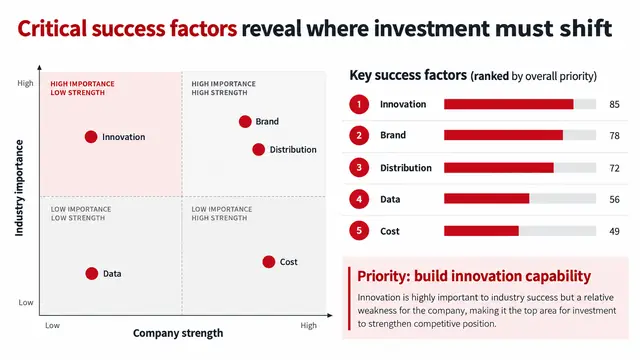
Scores industry importance against company strength and names the two capabilities that deserve more investment.
Consulting · Bain-style · Example slide
Prompts for the strategy frameworks consultants put on slides: portfolio matrices, market entry, SWOT, Ansoff, SCP, PDCA and decision tools. Each prompt asks for an action title, the numbers behind the chart and source notes, and most come with the example slide it produced.
Scores industry importance against company strength and names the two capabilities that deserve more investment.
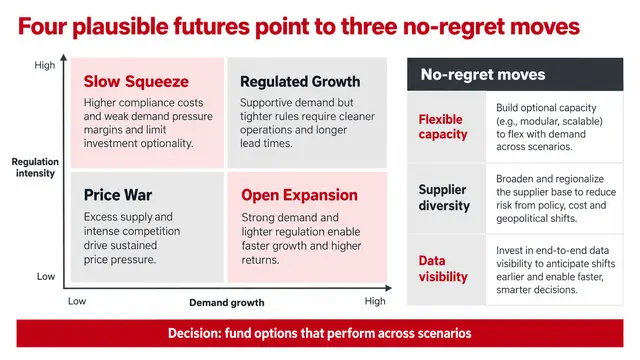
A Bain-style prompt for strategy and planning teams that builds one four-scenario slide.
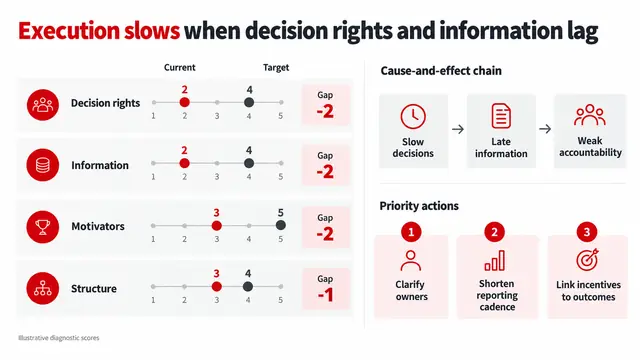
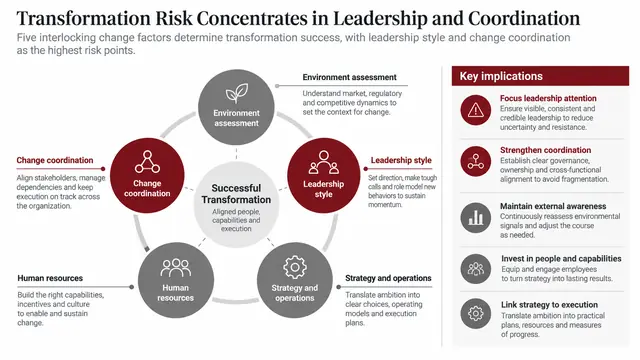
A Bain-style prompt for transformation leads, HR and strategy teams.
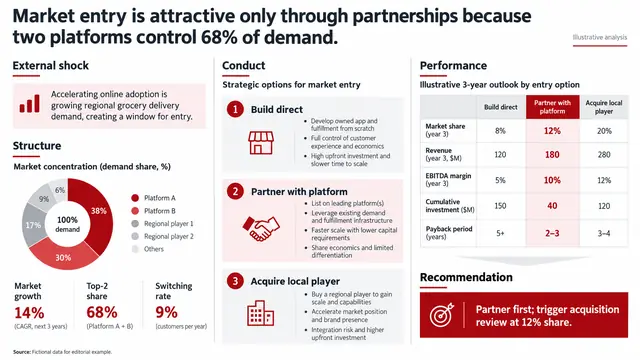
Links an external shock and market concentration to three entry options and a three-year performance view.
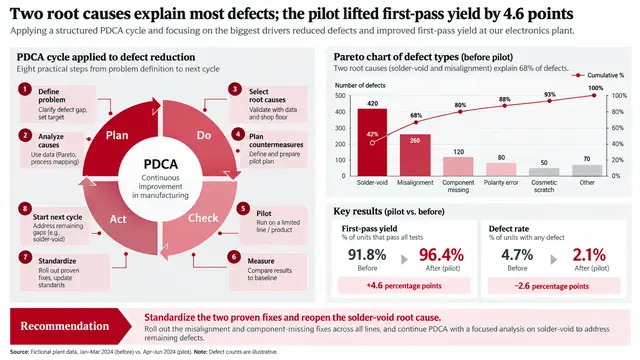
Four Bain-style prompts that turn a Plan-Do-Check-Act improvement effort into one executive slide each.
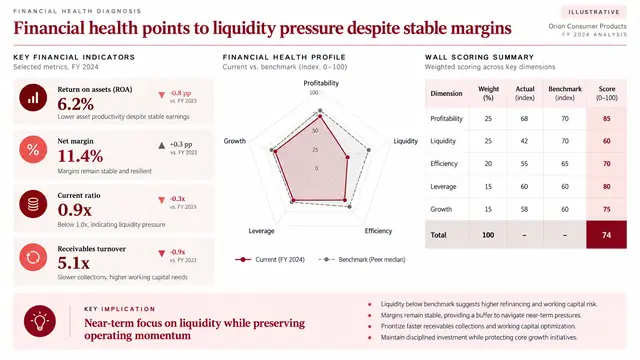
Combines ratio KPI cards, a benchmark radar chart and a weighted Wall scorecard, with formulas in the footnote.
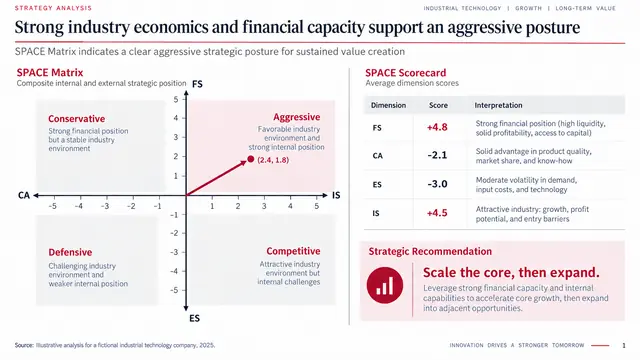
Four Bain-style prompts for strategy teams that build one SPACE matrix slide per strategic posture.
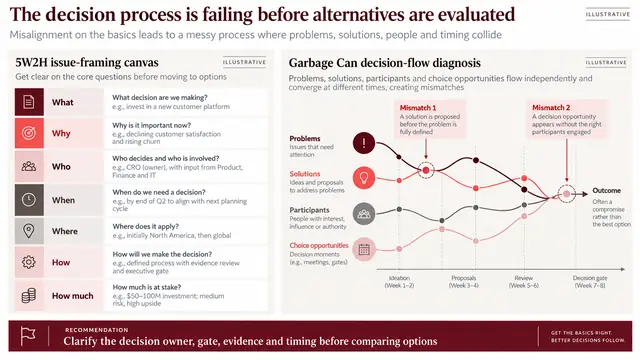
Frames a messy decision with a 5W2H canvas and maps where problems, solutions, people and timing fail to meet.
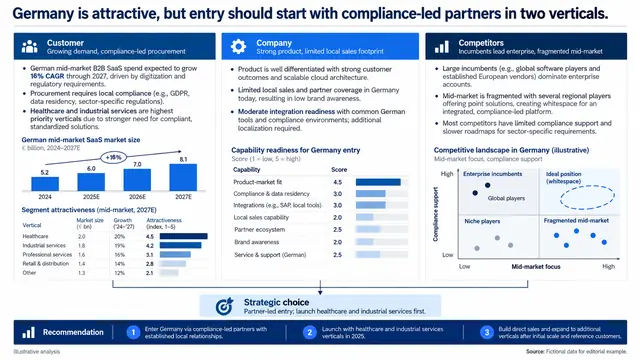
Organizes customer, company and competitor evidence around one market entry decision and ends in a route-to-market call.
Two McKinsey-style prompts for operations and transformation teams.
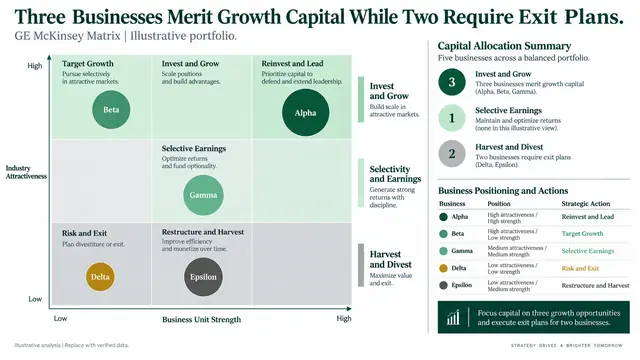
Plots business units on a nine-box grid with revenue-sized bubbles and a capital allocation panel.
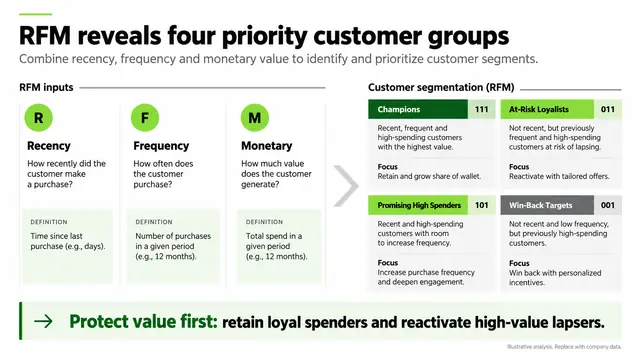
Four Deloitte-style prompts for CRM, marketing and customer strategy teams.
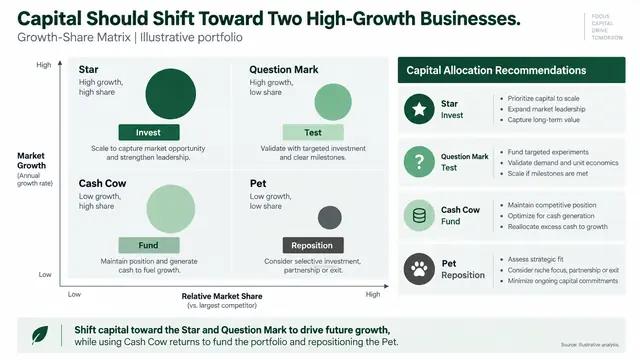
A BCG-style prompt for one executive portfolio slide.
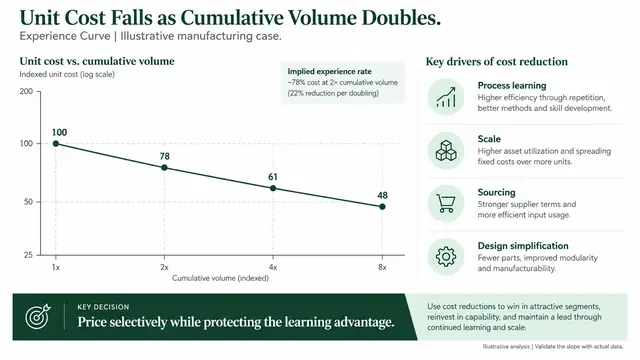
A BCG-style prompt for one slide that tests whether accumulated volume is lowering your costs.
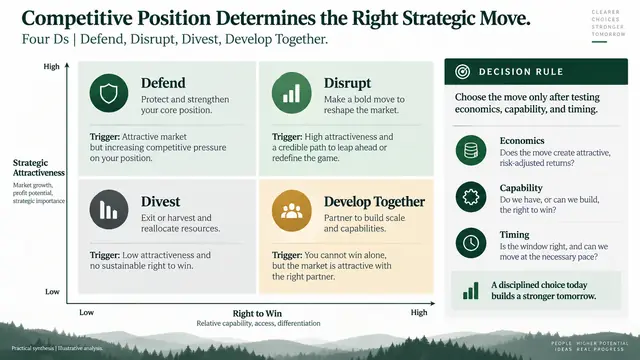
A BCG-style prompt that turns a list of strategic options into one action matrix.
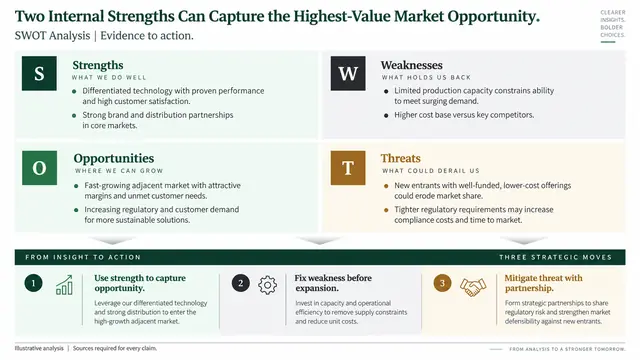
A BCG-style prompt for one SWOT slide that ends in action.
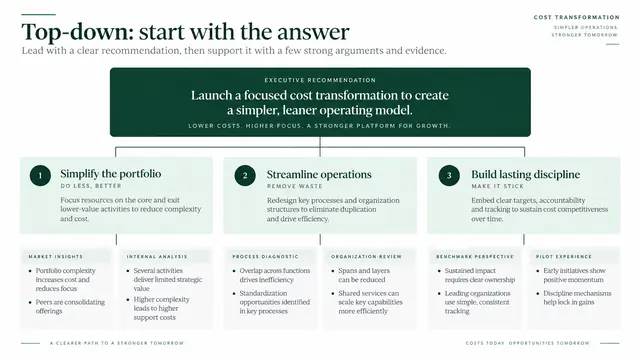
Three BCG-style prompts for structuring a consulting presentation.
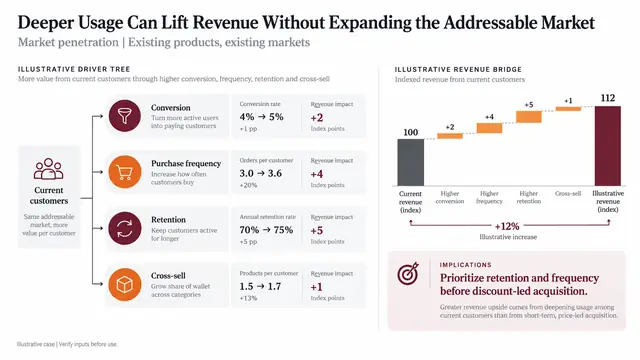
Four PwC-style prompts, one for each Ansoff growth route.
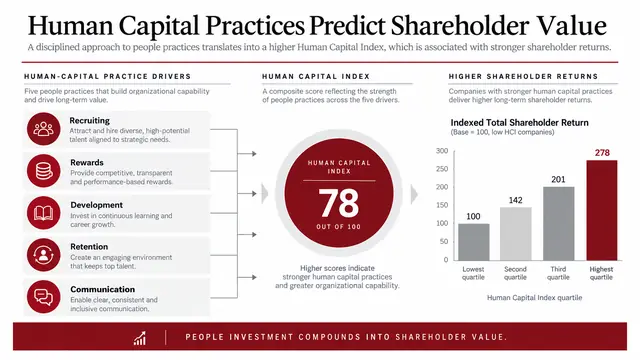
A PwC-style prompt for one HR strategy slide based on the Watson Wyatt Human Capital Index.
A PwC-style prompt for one change readiness slide.
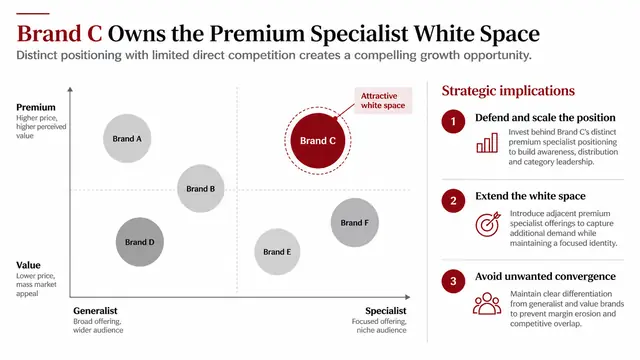
A PwC-style prompt for one brand positioning map built from customer data.
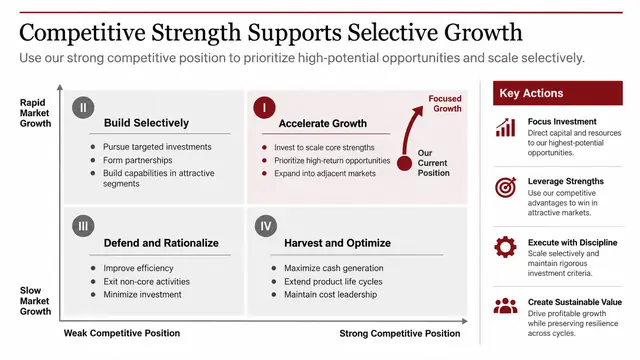
A PwC-style prompt for one Grand Strategy Matrix slide.
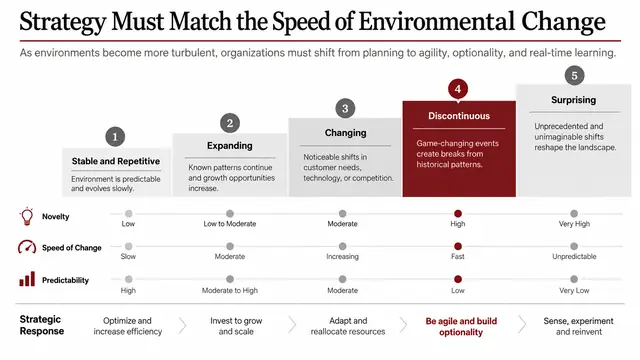
A PwC-style prompt for one strategy slide based on Ansoff's environmental turbulence model.
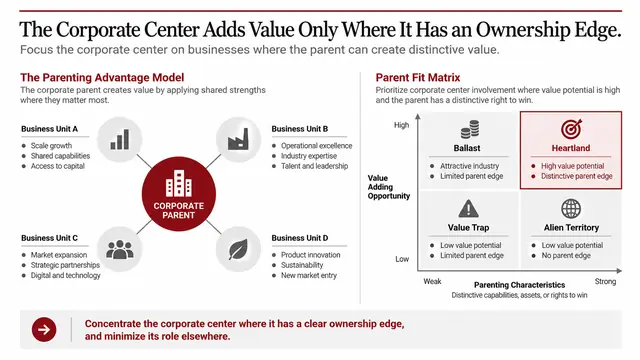
A PwC-style prompt for one corporate strategy slide on parenting advantage.
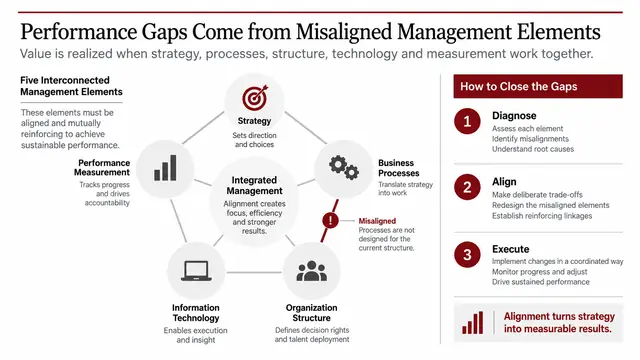
A PwC-style prompt for one diagnostic slide that checks whether strategy, processes, organization, technology and performance measurement support each other.
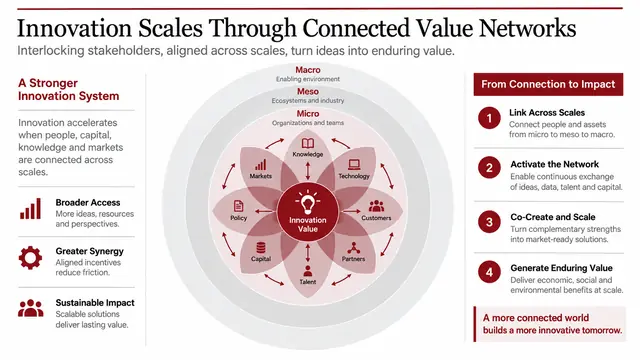
A PwC-style prompt for one innovation ecosystem slide drawn as a lotus.
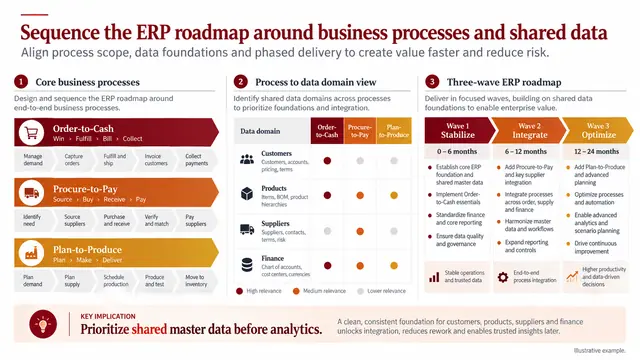
A PwC-style prompt for one information systems roadmap slide based on Business Systems Planning.
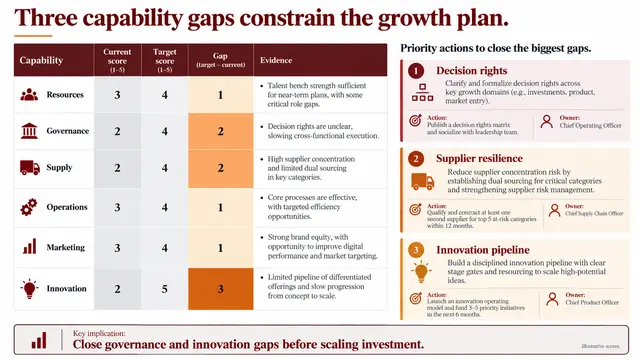
A PwC-style prompt for one capability gap slide built from interviews and operating data.
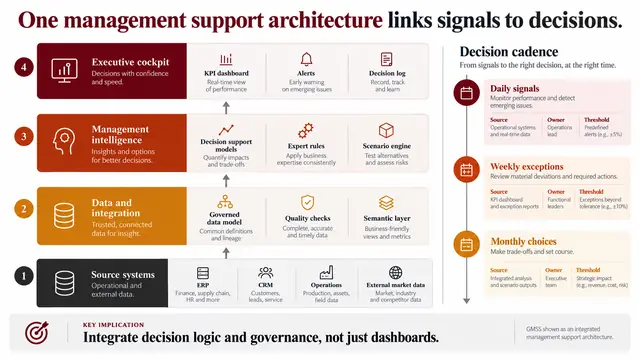
A PwC-style prompt for one slide describing an integrated management support system, sometimes labeled GMSS.
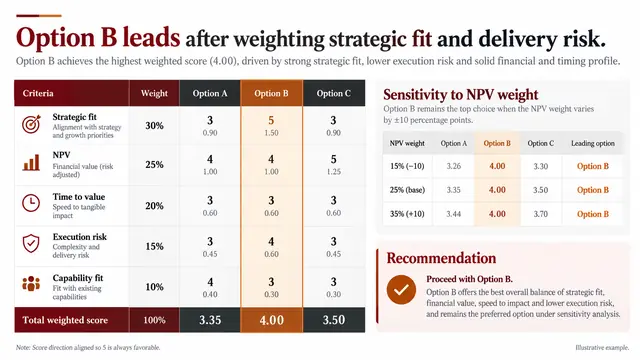
A PwC-style prompt for one option-selection slide.
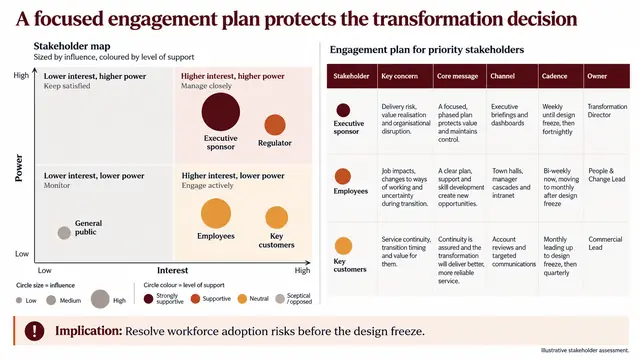
A PwC-style prompt for one stakeholder slide built from a transformation plan.
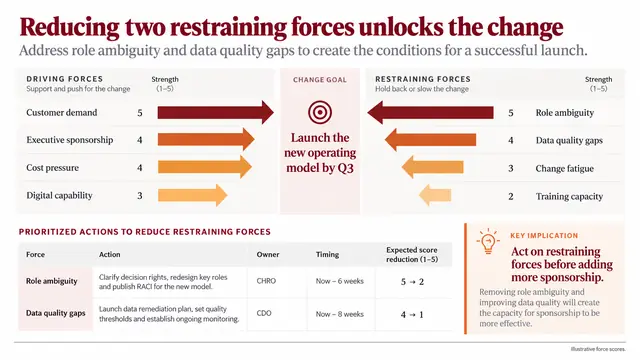
A PwC-style prompt for one force field slide built around a stated change goal.
Every prompt below is shown in full. Copy it, or run it in Tosea with your own file.
Builds a decision-led strategy deck after choosing one enterprise model, such as STRATPORT or V Matrix, and stating its limits.
Create a professional consulting presentation from the attached source material.

Audience: executive committee and business-unit leaders
Purpose: support a resource-allocation and transformation decision
Format: 16:9 editable PowerPoint
Style: restrained PwC-inspired consulting aesthetic without copying proprietary templates, logos, or brand assets

Identify the decision, evidence, financial impact, operating risk, and recommended action. Build an outline before rendering.

Use conclusion-led titles, a white canvas, charcoal text, muted red accents, and light gray structures. Preserve source numbers, dates, units, assumptions, and citations. Do not invent missing values.

Select the best model from ROS/RMS, STRATPORT, V Matrix, value-chain information management, value linkage analysis, and Nine Forces. Explain why the model fits the question, and note its provenance and limitations where relevant. For every slide, provide the headline, evidence, visual, implication, and source.

End with decisions required, actions, owners, timing, dependencies, and risks.
Builds a 10-slide strategy deck that ends in a preferred option and first 90-day actions, with an outline for review first.
Create a 10-slide executive strategy presentation from the attached source material.

Audience: senior management and functional leaders
Decision: determine the preferred strategic option and the first 90-day actions
Tone: rigorous, cautious, evidence-led, and concise

Storyline:
1. Executive answer
2. Market evidence
3. Customer implications
4. Competitive position
5. Company capabilities
6. Financial and operational risks
7. Strategic options
8. Evaluation criteria and recommendation
9. Implementation roadmap
10. Decisions required

Design rules:
- Use a clean white canvas with charcoal text, muted red accents, cool gray structures,
  and limited pale gold
- Write an action-title headline that states the conclusion on every content slide
- Use tables, matrices, and source-linked charts where they improve comprehension
- Keep dates, units, assumptions, and citations visible
- Use conditional language for uncertain outcomes
- Preserve exact figures from the source and do not invent missing values
- Separate facts, estimates, and recommendations
- End each analytical page with one business implication

Before rendering, provide the outline, slide headlines, source mapping, selected visuals,
and speaker notes for review.
Builds a nine-slide 3C growth strategy deck with action titles and an appendix, after a reviewable outline step.
Create a professional 16:9 strategy presentation based only on the attached source materials.

Audience: senior executives deciding where to compete and how to win
Objective: recommend a growth strategy using Customer, Competitor, and Company analysis
Length: 9 content slides plus an appendix

Storyline requirements:
- Lead with the recommendation and the decision it enables
- Use the 3C framework to organize evidence
- Make the storyline mutually exclusive and collectively exhaustive where practical
- Give every slide an action title that states the conclusion
- Use one primary message per slide
- Separate source facts, analysis, assumptions, and recommendations
- Preserve material numbers, units, dates, table labels, and source context
- Do not invent market data, customer evidence, or competitor claims

Visual requirements:
- Use a restrained consulting-style page system with consistent margins and typography
- Prefer charts, comparison tables, matrices, and simple process diagrams over decorative icons
- Highlight only the data needed to prove each action title
- Add a source line to every evidence-based slide
- Use accessible contrast and keep body text readable

Required slides:
1. Executive recommendation
2. Decision context and scope
3. Customer segmentation and priority segment
4. Customer needs and economics
5. Competitor landscape
6. Strategic whitespace
7. Company capabilities and constraints
8. Recommendation, value, and assumptions
9. Implementation roadmap and risks

Before rendering, produce a reviewable outline containing slide titles, key claims,
supporting evidence, selected visuals, source references, and speaker notes.
Flag every unsupported claim for human review.
Turns attached material into a conclusion-first 16:9 deck with action titles, source notes and an outline approval step.
Create an executive presentation from the attached source material.

Audience: senior decision-makers
Objective: support a clear decision or recommendation
Structure: conclusion-first storyline with one main message per slide
Titles: write action titles that state the takeaway
Evidence: preserve important numbers, tables, charts, figures, and source context
Visual style: restrained consulting presentation with clear hierarchy, consistent grid, generous white space, and minimal decoration
Layouts: choose comparison, process, timeline, matrix, hierarchy, or chart layouts according to the information relationship
Output: editable 16:9 PowerPoint deck with source notes and a concise executive summary

Before rendering, show the slide-by-slide outline and proposed layout for approval.
One message per slide, stated as an action title; a chart or framework that proves it; and a source note under every number. The prompts here ask for all three, so the slide reads as a recommendation rather than a topic.
No. The style names describe common consulting frameworks and slide conventions. Tosea is not affiliated with McKinsey & Company, BCG, Bain & Company, PwC or Deloitte.
Yes. Attach your spreadsheet, report or memo and ask the model to use only figures from the file. Most prompts already tell the model to mark missing evidence instead of inventing it.
Style names describe common consulting frameworks and slide conventions. Tosea is not affiliated with McKinsey & Company, BCG, Bain & Company, PwC or Deloitte.
McKinsey-, BCG- and Bain-style strategy frameworks.
Conference talks, defenses, journal clubs and lectures.
QBRs, board decisions, dashboards and reviews.
Pitch decks, investor updates and financial reviews.
Launch plans, campaign reviews and monthly reports.
Themes, chart styling and slide redesign.
Upload the document. Tosea drafts the deck, you edit and export.
Start for free